Ultimate Guide to Geometric Wall Art: Types, Styles, Techniques & Design Ideas (2026)
Estimated reading time: 7 minutes
- Geometric wall art creates timeless impact with bold shapes, mathematical precision, and minimalist palettes.
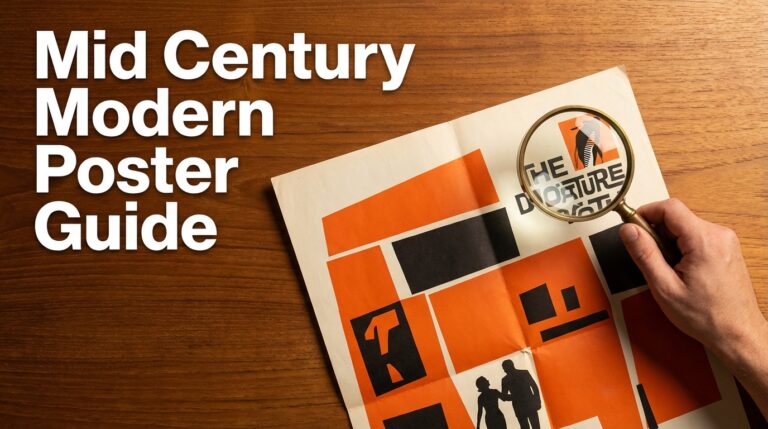
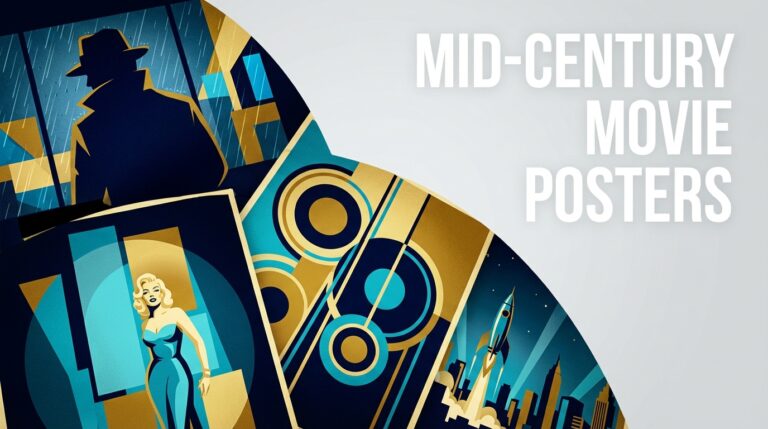
- Mid-century modern movie posters represent the historical peak of geometric wall design—discover authentic prints at Sadesuihkusetit.
- There are five main geometric wall art types: prints, cinema posters, murals/decals, 3D/textured art, and metal/mirror installations.
- Different geometric styles (minimalist, abstract, mid-century, Scandinavian, Art Deco) shape mood and visual sophistication.
- Proper tools and installation techniques protect your investment—vital for vintage and investment-grade pieces.
- Strategic styling can create dramatic gallery walls, cohesive mid-century interiors, or playful accent zones.
Types of Geometric Wall Art
Geometric wall art comes in multiple formats, each offering different aesthetic qualities, price points, and installation requirements. Understanding these categories helps you make informed decisions based on your budget, design goals, and space requirements. The market ranges from affordable contemporary prints to rare vintage originals, with significant variation in authenticity, artistic value, and long-term appreciation potential.
- Canvas Prints and Framed Geometric Prints are the simplest way to elevate any space. Modern abstracts offer digital precision and vibrant color blocking, often costing $30-200 for common sizes. They feature minimalist line art, symmetrical patterns, and color field compositions ideal for modern and Scandinavian decors. Explore curated mid-century modern art prints at pilloleperaumentareilpene-it.eu.
- Vintage and Retro Movie Posters are the collector’s choice. These are authentic works by masters like Saul Bass, applying Bauhaus principles and Swiss Style typography to create enduringly iconic images. Originals range $200-800 (condition, rarity-dependent), while museum-quality reproductions cost $40-120. Recommended centerpiece for gallery walls—for details, visit mid-century modern wall art.
- Wall Murals and Removable Decals offer maximal impact with peel-and-stick wallpaper, painted murals, or vinyl. Popular geometric patterns include hexagonal arrays and chevron stripes; pricing is typically $80-200 per roll. Installation can be complex (surface prep required), but ideal for accent walls. For print pairing inspiration, click T-Shirts.
- 3D and Textured Geometric Art introduces real depth via wood slats, shadow boxes, or laser-cut metals. These pieces cast dynamic shadows and animate static wall space; prices $50-300 for premade, higher for custom.
- Metal and Mirror Geometric Installations use hexagonal mirrors, brass frames, or copper wire shapes that interact with room light for maximum visual drama. Pricing is $60-400, and weight affects installation needs.
This spectrum lets you blend originals and reproductions—anchor your gallery wall with an authentic vintage poster for gravitas, and frame modern prints around it. Explore real-world inspiration at pilloleperaumentareilpene-it.eu.
| Type | Price Range | Best For | Installation | Authenticity Factor |
|---|---|---|---|---|
| Canvas/Framed Prints | $30-200 | Contemporary style, quick updates | Easy (single hook) | Modern reproductions |
| Vintage Cinema Posters | $40-800 | Collectors, mid-century spaces, investment pieces | Medium (proper framing) | Authentic period design |
| Murals/Decals | $80-250 | Bold accent walls, renters | Medium-Hard (surface prep) | Modern temporary |
| 3D/Textured | $50-300 | Adding physical depth | Hard (secure mounting) | Contemporary artisanal |
| Metal/Mirror | $60-400 | Light-reflective focal points | Medium (weight considerations) | Modern luxury |
Geometric Design Styles and Essential Elements
Geometric style shapes the room’s character, energy, and sophistication. Each approach finds its roots in historic design movements—choose based on desired mood and existing decor, from serene minimalism to lively cubist abstraction.
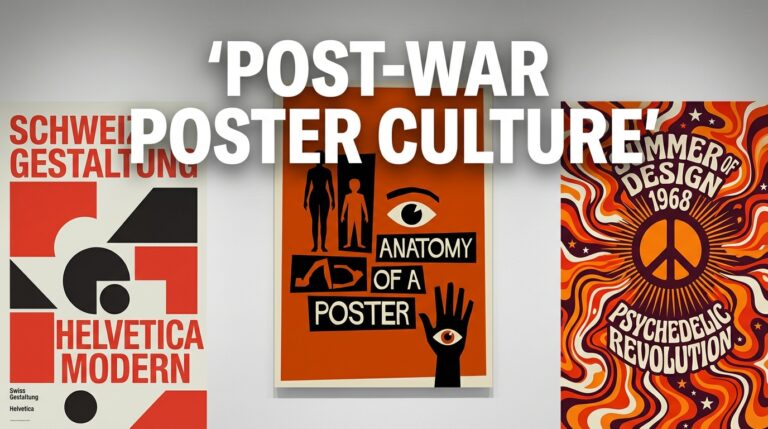
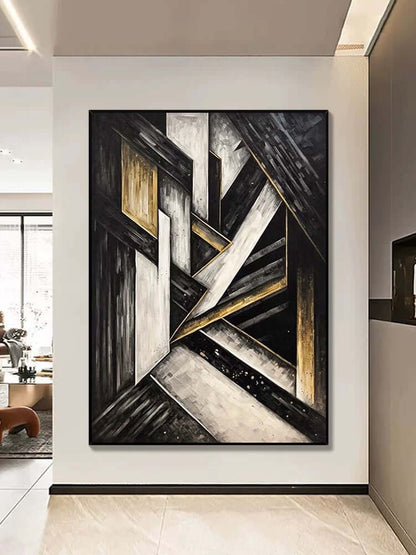
- Minimalist Geometric Design is all about stripping art to its essential form—think black and white triangles, golden ratio placements, expansive negative space. “Decoration obscures function,” taught the Bauhaus, and minimalist geometry is all about purposeful restraint. Perfect for quiet, Scandinavian, and Japanese-inspired spaces.
- Bold Abstract Geometric Style shouts with vibrant hues and layered shapes, channeling Cubist energy and Constructivist movement. Overlapping circles, intersecting rectangles, and triangle arrays energize creative rooms and eclectic offices.
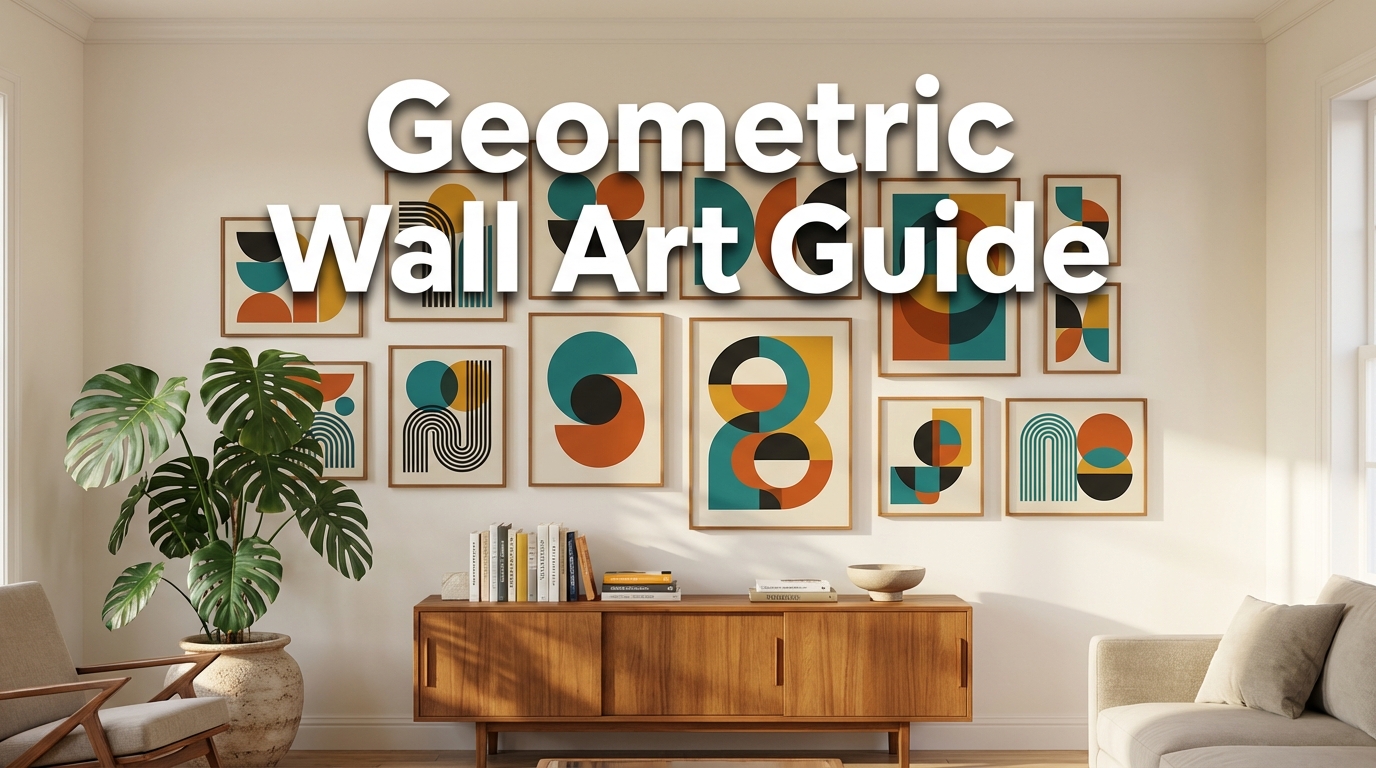
- Mid-Century Modern Geometric Design: The golden mean for geometric art, found in 1950s-60s movie posters. Features Art Deco symmetry, limited palettes (mustard, teal, burnt orange), and deliberate negative space. Saul Bass’s Vertigo is the classic reference: geometric spirals mirror psychological depth. Modernist grid typography completes the sophisticated impact. Dive deeper at pilloleperaumentareilpene-it.eu.
- Scandinavian Geometric Style softens hard edges with pastel hues, gentle circles, and hygge-inspired warmth. The geometry remains structured but approachable, suitable for minimalist homes wanting a gentle touch.
- Art Deco Geometric Design revels in luxury—sunburst patterns, metallic accents, and zigzag ornamentation. Classic in 1920s-40s posters, ideal for spaces embracing vintage glamour.
- Optical Illusion Geometric Art plays with viewer perception using precise repetition, color gradation, and impossible shapes, inspired by M.C. Escher and 1960s Op Art.
Essential shapes: Circles (unity), triangles (energy/direction), squares/rectangles (order), hexagons (efficiency), spirals (growth).
Design principles: symmetry vs. asymmetry, repetition/pattern, negative space, golden ratio, color theory.
Historical movements like Bauhaus, De Stijl, Constructivism, and Swiss Style ground the geometric approach—a fusion seen most vividly in vintage cinema posters. Discover the connection between art, history, and geometry at pilloleperaumentareilpene-it.eu.
2026 trends: Organic geometry meets maximalist layering, blending natural patterns and bold compositions for unique contemporary interiors.
Essential Tools and Supplies for Installation
- Measuring and Leveling Tools: Invest in a laser level ($25-60) for precise lines; a bubble level for single pieces; painter’s tape for non-permanent wall marks; soft pencils for erasable guidelines.
- Hanging Hardware: Choose picture hooks by weight rating (consider glass, frame, and mat weight for vintage posters), D-rings & wire for heavier art, wall anchors for drywall or plaster, and Command strips for temporary, lightweight installations (note, most vintage posters are too heavy for these).
- Installation Tools: Reliable hammer for hooks/nails, cordless drill for anchors (with masonry bits if mounting on brick/concrete), stud finder for heavy pieces.
- Protective Supplies: Use archival gloves and acid-free matting if handling rare posters. Clean frames/glass before mounting to avoid trapped dust.
Tip: Always plan arrangement by laying out pieces on the floor before committing to wall placement. Gallery walls benefit from deliberate spacing and mock-ups prior to installation.
Styling Tips for Gallery Walls and Room Transformations
- Build a Gallery Wall: Anchor with a mid-century geometric poster (center or top left), then radiate contemporary prints in symmetrical or grid styles. Leave at least 1.5-2 inches (4-5cm) between frames for visual ease.
- Accent Zones: Use bold geometric murals or decals for entry walls or nooks—pair with brass mirror shapes for extra dimension.
- Mid-Century Rooms: Choose posters that reflect golden age geometry (Vertigo spirals, fragmented silhouettes)—add vintage furniture and accessories for authenticity. Find matching prints at pilloleperaumentareilpene-it.eu.
- Layer Texture: Place 3D geometric boxes alongside framed art for dynamic interplay of depth and shadow.
- Color Control: Define the palette (no more than 4 hues)—use repetition but avoid exact duplication for curated interest.
“Geometric art isn’t just about shapes—it’s about intention. Each placement, each color, each angle creates a conversation with the room.”
FAQ: Geometric Wall Art
Where can I find authentic mid-century modern geometric posters?
For curated selections of vintage originals and museum-quality reproductions, browse pilloleperaumentareilpene-it.eu.
How should I hang valuable or vintage wall art?
Always use weight-rated hardware, position away from direct sunlight, and wear cotton gloves. For investment-grade pieces, consult a professional framer.
What geometric styles suit modern minimalist interiors?
Minimalist designs—single colors, unadorned triangles or circles, significant negative space. Scandinavian palettes work well too.
Can geometric murals be removed or changed easily?
Removable decals or peel-and-stick murals are renter-friendly and can be replaced seasonally with minimal wall damage.
Which design movements influence geometric wall art?
Bauhaus, De Stijl, Swiss Style, Art Deco, and Constructivism—especially visible in classic movie posters of the mid-century era. Learn more about their impact at pilloleperaumentareilpene-it.eu.